India’s electric vehicle industry is witnessing unprecedented momentum in 2026, supported by strong consumer demand, expanding charging infrastructure and a wave of new EV launches across segments.
Industry experts believe India’s electric mobility transition is entering a high-growth phase as automakers increase investments in affordable and premium EV platforms.
The Indian electric vehicle (EV) market recorded one of its strongest growth periods in early 2026, with passenger EV sales, electric scooters and commercial electric vehicles registering significant year-on-year growth across the country. According to recent industry reports, April 2026 became the best-ever April for EV sales in India.
Industry data showed that India’s EV industry recorded nearly 239,000 electric vehicle sales during April 2026, driven primarily by rising demand for electric two-wheelers and SUVs. Passenger EV sales reportedly surged by more than 75 per cent during the month.
Automakers are also aggressively expanding their EV portfolios to capture the growing market. Hyundai, Tata Motors, Mahindra, Maruti Suzuki and several global manufacturers are preparing multiple EV launches for the Indian market over the next two years.
Among the major upcoming launches are Hyundai’s affordable electric SUV lineup, Tata Sierra EV, Tata Avinya and Maruti Suzuki’s e-Vitara platform. These launches are expected to intensify competition in India’s fast-growing electric mobility segment.
Meanwhile, Tata Motors continues strengthening its leadership position in India’s passenger EV market through products such as the Nexon EV, Punch EV and the recently launched Harrier EV. The Harrier EV offers a claimed driving range of over 620 km and features advanced connected-car technologies and all-wheel-drive capabilities.
Government policy support is also playing a crucial role in accelerating EV adoption. India has continued expanding incentives under battery manufacturing, localisation and charging infrastructure programs to strengthen the domestic EV ecosystem.
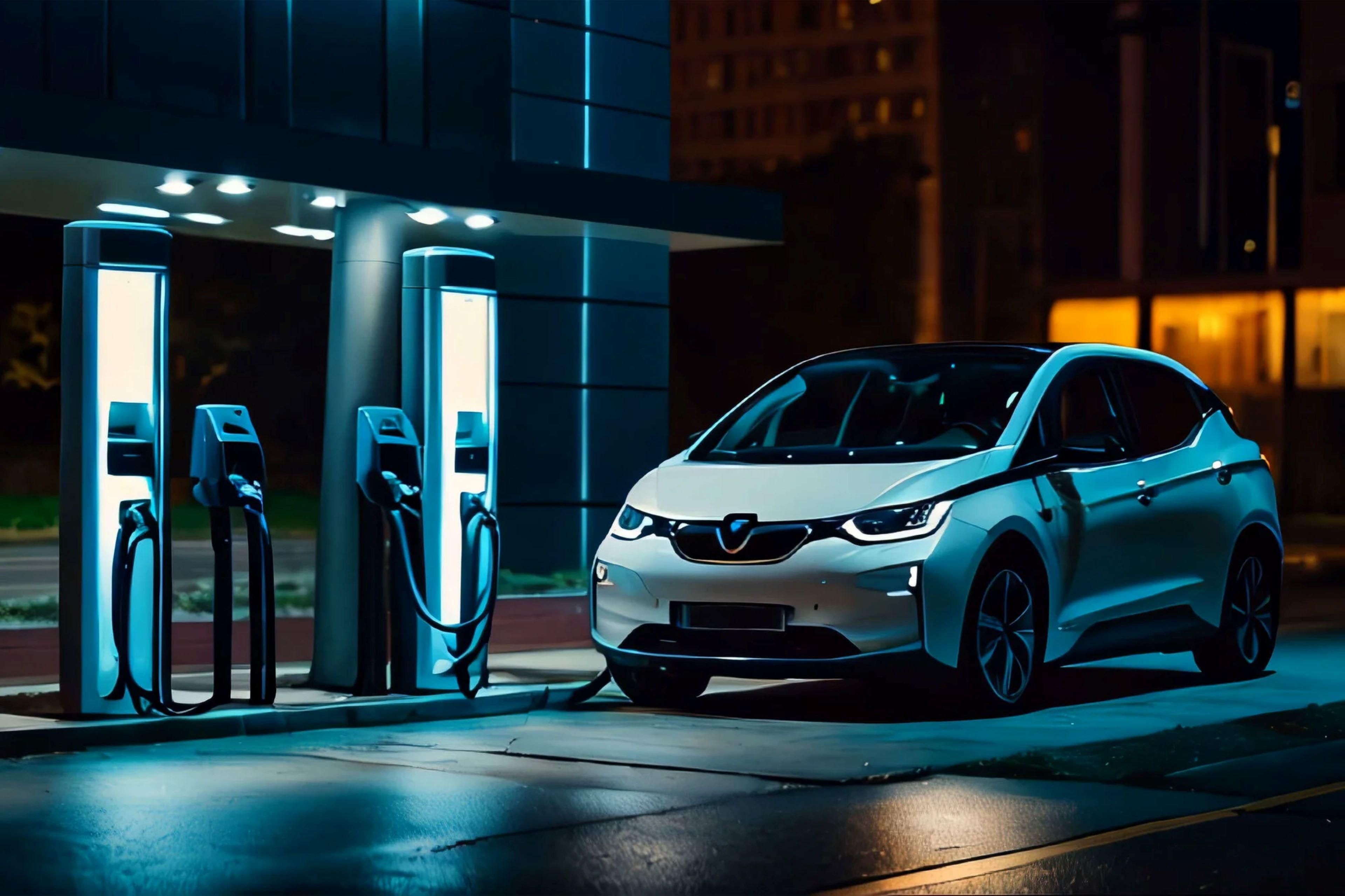
According to recent estimates, India now has nearly 30,000 public EV charging stations installed across the country, marking a major improvement in charging accessibility compared to previous years.
The commercial EV segment is also gaining traction rapidly. Reports suggest the Indian government is considering incentives worth more than $1 billion to encourage adoption of electric buses and electric trucks in the private sector.
Industry experts believe falling battery costs, rising fuel prices and increasing consumer awareness are likely to drive the next phase of EV expansion in India. Battery-as-a-Service (BaaS) models are also emerging as a popular strategy to make EV ownership more affordable for customers.
With stronger policy support, rapid infrastructure expansion and rising investments from both domestic and international automakers, India is expected to remain one of the world’s fastest-growing EV markets over the next decade.